 Free Mold Help
Professional help · 7 min read
Mold Remediation: What the Cleanup Process Involves
Understand professional mold remediation, from moisture investigation and containment to removal, cleaning, drying, and final checks.
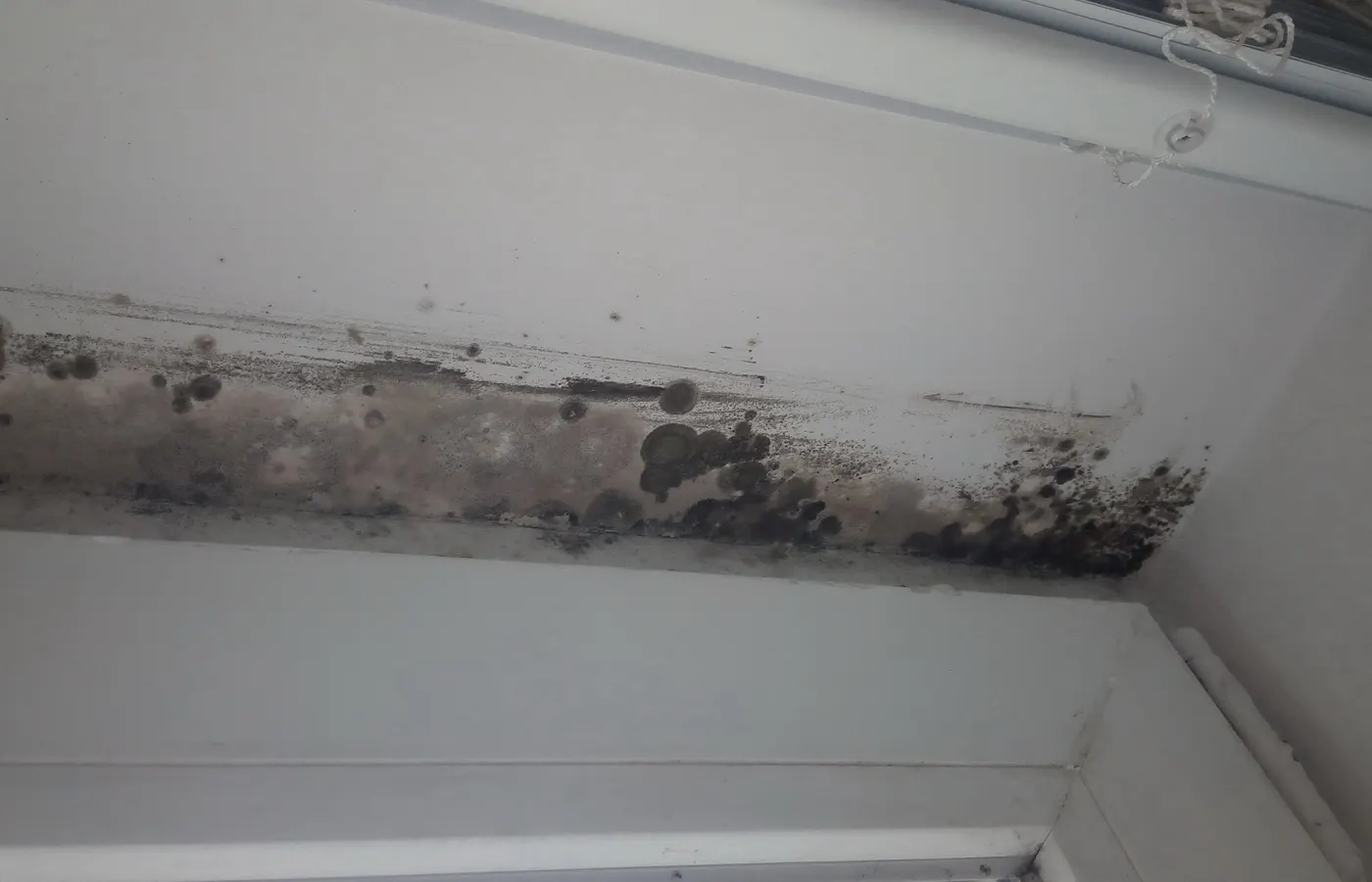

Effective mold remediation is more than spraying a product on a stain. A sound plan addresses why the material became wet, removes or cleans affected materials appropriately, and leaves the area dry.
1. Find the moisture source and define the affected area
A qualified professional should investigate leaks, plumbing failures, roof or window intrusion, condensation, poor drainage, or other moisture sources. The visible spot may not show the full extent of dampness, especially after a long-running leak or flood.
Ask how the company will inspect nearby rooms and concealed assemblies, and what findings would change the work plan. A proposal should describe the affected materials and the reason for the recommended scope.
2. Protect occupants and limit cross-contamination
The right work practices depend on the building, the extent of contamination, and the materials involved. Remediation plans may include isolating work areas, protecting contents, controlling dust, and selecting suitable personal protective equipment.
People with asthma, allergies, chronic lung disease, or weakened immune systems may have different risks around mold. The CDC advises people with health concerns to seek guidance from a health professional.
3. Remove, clean, and dry affected materials
Some nonporous materials may be cleaned; porous materials that are moldy or water damaged may need removal because growth can penetrate them. The approach should be appropriate to the material and its condition. Simply using a biocide or covering a stain is not a substitute for removing contamination and fixing moisture.
Drying and moisture control are essential. Ask what readings, observations, or criteria the contractor will use to determine that materials are dry enough for rebuilding.
4. Document completion before rebuilding
Before closing walls or installing new finishes, confirm the water source has been repaired and affected areas are clean and dry. Request photos, a description of materials removed or cleaned, and documentation of any follow-up inspection or moisture checks included in the scope.
For a home, rental, office, or commercial property, keep remediation and repair records together. If the work is connected to an insurance claim, document communications and expenses and check policy requirements with your insurer.
Common questions
What should a mold remediation estimate include?
Ask for the suspected moisture source, affected areas and materials, proposed cleaning or removal work, containment and protection measures where needed, drying plan, exclusions, and how completion will be documented. Compare the written scope, not just the price.
Does mold remediation always require testing?
No. EPA says sampling is often unnecessary when visible mold is present because the priority is to remove it and correct the moisture. Testing may be considered when there is a specific question that results can meaningfully answer.
Can a restoration company also rebuild?
Some companies provide both mitigation and reconstruction; others handle only one phase. Confirm which services are included, who performs them, and whether separate permits or specialists are needed.