 Free Mold Help
Mold basics · 6 min read
Mold Inspection and Testing: What Homeowners Should Know
Understand visual mold inspections, moisture assessment, air sampling, mold test kits, and when testing may or may not help answer a specific question.
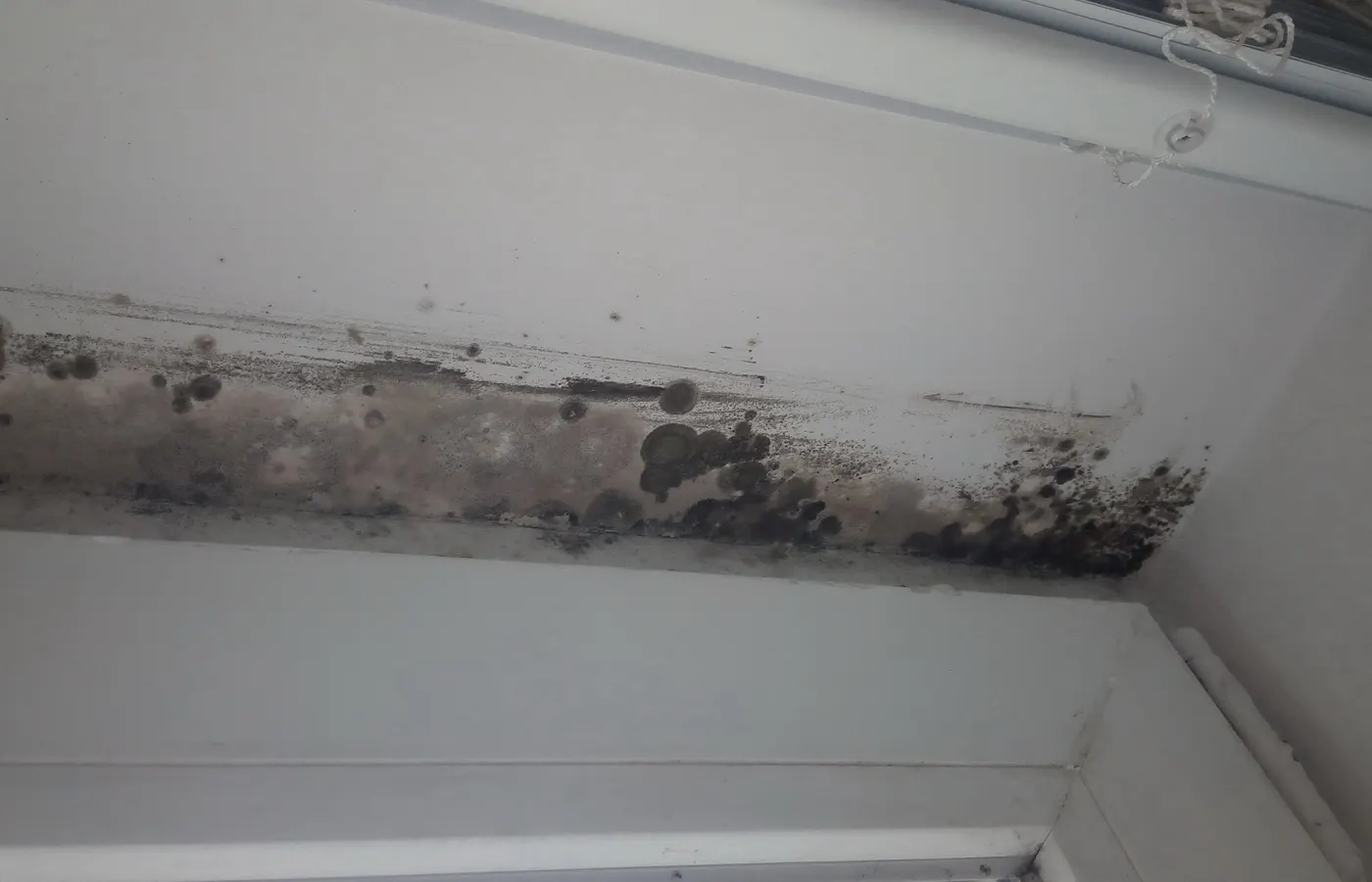

A mold inspection and a laboratory test are not the same thing. For most visible mold, the practical priority is locating moisture and correcting the problem; a sample is useful only when it helps answer a defined question.
What a useful mold inspection looks at
An inspection should consider visible growth, water staining, musty odor, leaks, condensation, building materials, and the history of water damage. Moisture measurements may help locate damp areas, but the instruments do not identify a mold species or determine a person's health risk.
Ask the inspector to explain the scope, limitations, and written findings. If the inspector also sells remediation, ask how recommendations are separated from the proposed repair work and consider whether you want an independent assessment.
Does every home need mold testing?
No. EPA says that if visible mold is present, sampling is usually unnecessary; there are no federal standards for acceptable mold levels in homes. CDC also does not recommend routine mold testing as a way to predict health effects.
Testing can be considered when there is a specific, answerable question—for example, a defined investigation where results would change the next step. A single air sample is only a snapshot and can vary with time, activity, weather, and sampling method.
Questions to ask before ordering a test
Before paying for sampling, ask what decision the result will inform, who will collect and interpret it, what method will be used, and how results will be explained. Be cautious of anyone promising that a test can certify a building as completely mold-free or diagnose health effects.
For health concerns, talk with a clinician. For building concerns, prioritize finding and correcting moisture and follow applicable local requirements.
Common questions
Can a home mold test tell me if mold is dangerous?
No home test can determine whether mold is causing an individual's symptoms or establish a universal safe level for a building. The CDC and EPA emphasize that visible mold and moisture should be addressed; consult a health professional about symptoms.
What is the difference between mold inspection and mold testing?
An inspection evaluates visible conditions and possible moisture sources. Testing collects samples for analysis. Sampling does not replace a building inspection, and its value depends on whether it answers a specific question.