 Free Mold Help
Building systems · 5 min read
Mold in HVAC Systems: Warning Signs and What to Do
Learn what to do if you suspect mold in air conditioning, ductwork, or an HVAC system, and why system-specific professional assessment matters.
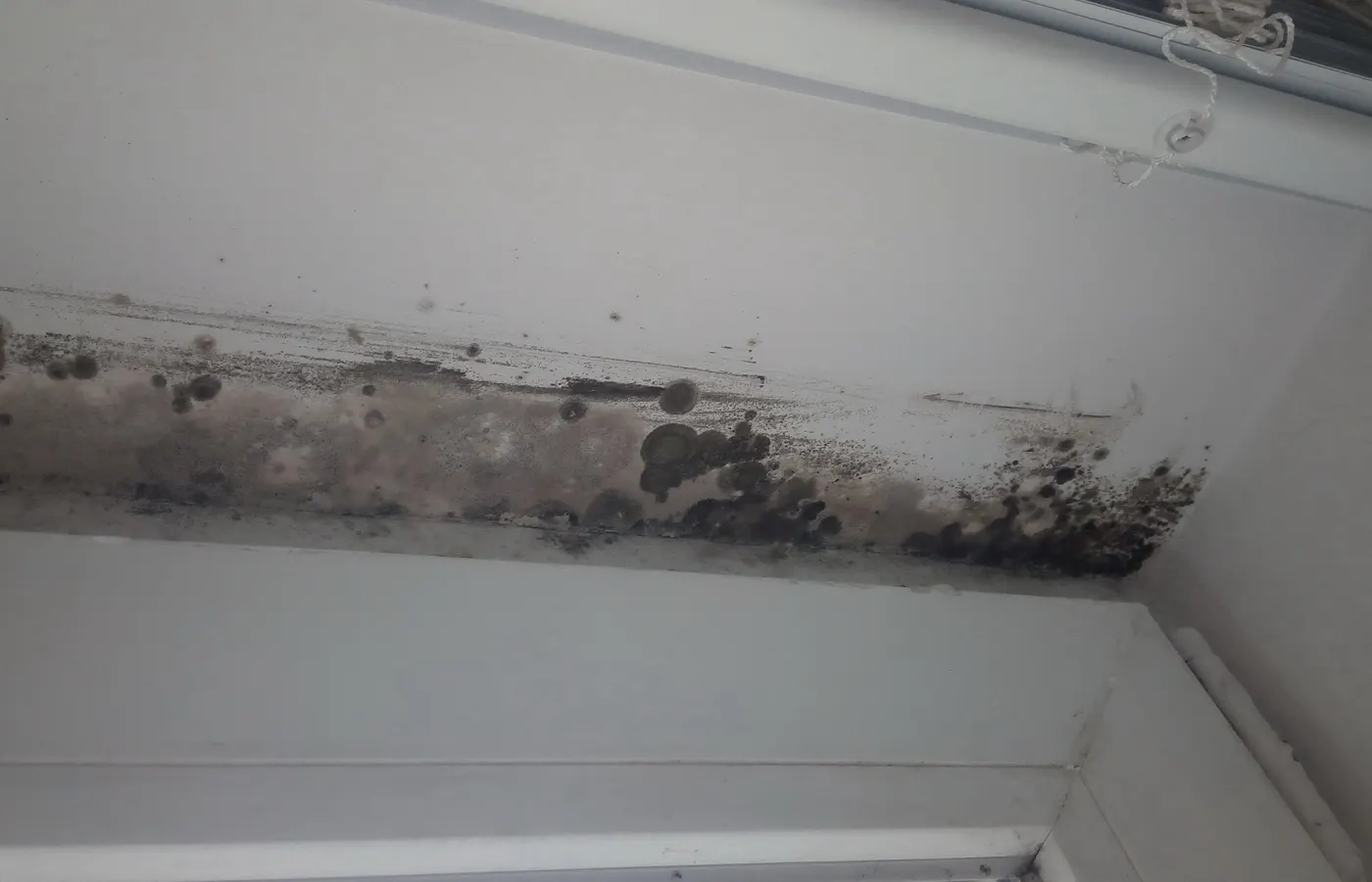

A musty smell near a vent does not prove that an HVAC system contains mold, but visible growth, water damage, or persistent moisture near equipment deserves attention. The system should be assessed before it is used to move air through affected areas.
Signs that may warrant an HVAC assessment
Look for water around an air handler, drain pan, condensate line, or nearby building materials; visible growth on accessible components; or a history of flooding near an intake. Odor alone does not identify the source, so consider other damp areas in the building as well.
Do not dismantle equipment or disturb suspected growth inside ducts. Components can be difficult to inspect safely and may require an HVAC professional familiar with the system.
What to do before running a system that may be contaminated
EPA advises consulting its air-duct guidance when mold may contaminate the HVAC system. If the system was affected by flooding or visible mold is near the intake, have it inspected before operating it. CDC disaster guidance also cautions against using a whole-house HVAC system until it has been inspected after a major flood.
A qualified contractor should identify and correct the source of moisture, inspect relevant components, explain the proposed cleaning or replacement work, and avoid promising that routine duct cleaning alone solves every mold problem.
Choose a contractor with the right experience
Ask whether the company is trained and equipped to inspect the specific system, which components it will examine, how it will protect the home, and what findings would call for additional specialists. Verify licensing and insurance where required in your area and get the work scope in writing.
Common questions
Does a musty smell from an air vent mean there is mold in the duct?
Not necessarily. Odors can have more than one source. Check for moisture or leaks around the HVAC equipment and ask a qualified HVAC professional to inspect the system if there is visible growth, water damage, or a persistent odor.
Should I run the AC if I suspect mold in the system?
If the system may have been contaminated by flooding or visible mold near the intake, arrange for an inspection before running it. Follow EPA guidance and consult a qualified HVAC professional.