 Free Mold Help
Water damage · 6 min read
Mold After Water Damage: What to Do First
Learn how to respond to mold after a leak, flood, or plumbing failure, identify hidden moisture, and decide when professional mold remediation is appropriate.
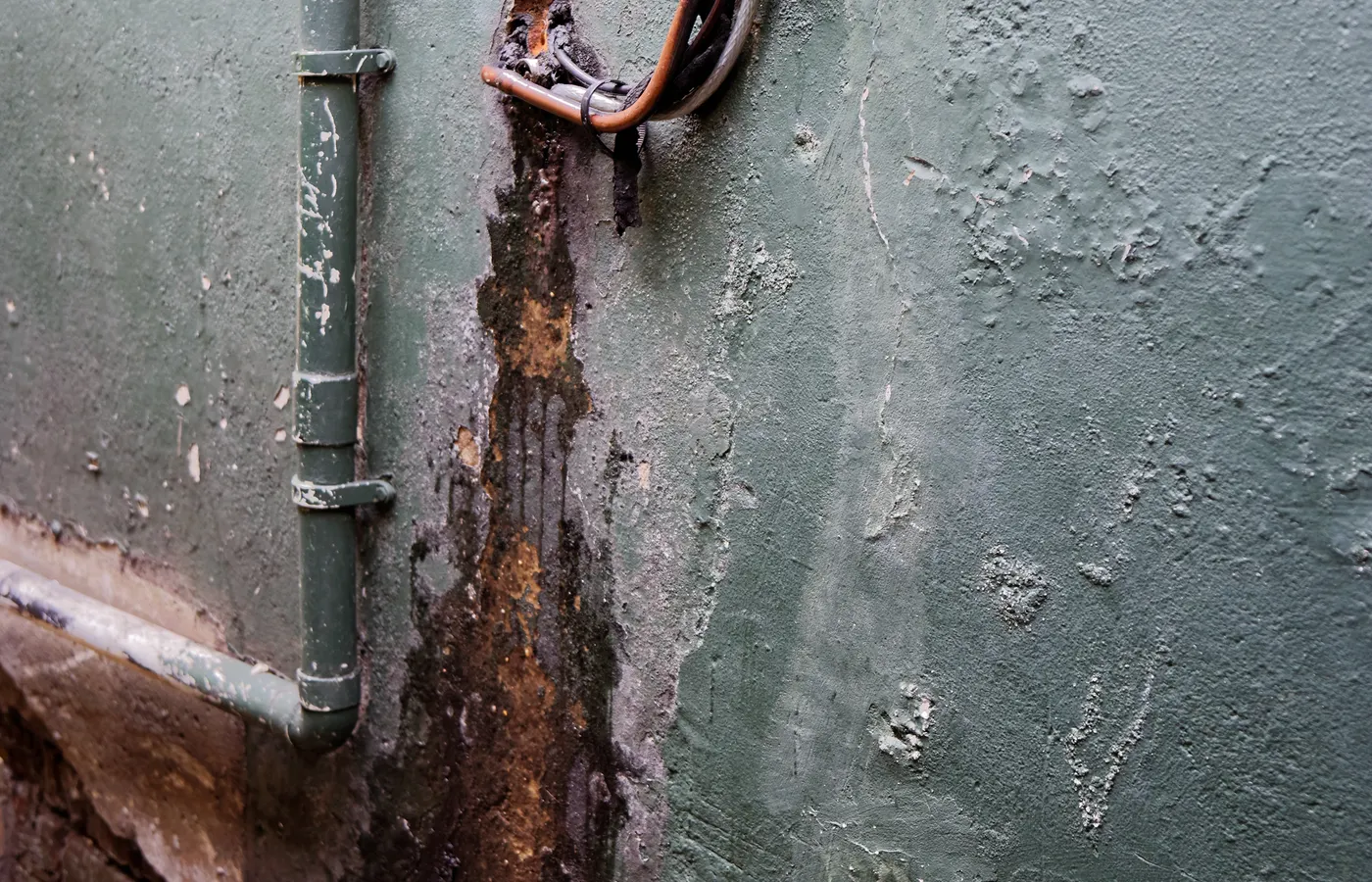

Mold can begin growing where water remains, including behind drywall, under flooring, and inside cabinets. The most useful first step is not identifying a mold species; it is stopping the moisture and documenting what happened.
Address the water source and safety concerns
If water is still entering, contact the appropriate plumber, building professional, or emergency service. Avoid standing water near electrical equipment, sagging ceilings, contaminated floodwater, or other hazards. If the building may be unsafe, leave and contact local emergency services or the property owner.
Take dated photos or video of visible water and damage when it is safe to do so. Keep receipts and notes about when the leak or flooding began. These records can help with repairs, landlord communication, or an insurance claim.
Dry wet materials promptly
The EPA advises drying water-damaged areas and items within 24–48 hours when possible to help prevent mold growth. That timeframe is a prevention goal, not a guarantee: mold risk depends on the amount of water, materials, temperature, and how quickly moisture is removed.
Do not simply cover a damp area with paint, flooring, or trim. Moisture trapped inside a wall or beneath a floor can continue causing damage even when the surface looks dry.
- Stop the leak or arrange for the water source to be repaired.
- Move dry belongings away from the wet area if it is safe.
- Use appropriate drying equipment only when electrical and contamination risks are addressed.
- Look for dampness, staining, or odor on both sides of the affected area and in adjacent rooms.
Know when a mold remediation professional may be needed
Consider qualified help when water damage is extensive, mold covers a larger area, materials stayed wet, growth returns, moisture is hidden, or the HVAC system may be involved. EPA guidance says cleanup decisions depend on the size and circumstances of the problem, the type of material, and potential health concerns.
Ask a restoration or mold remediation company how it will find and correct the moisture source, protect unaffected areas, handle materials that cannot be cleaned, and document that the work is complete. For local options, compare providers that list mold remediation through the Water Damage Dispatch directory.
Common questions
How quickly can mold grow after water damage?
Mold may begin growing within 24–48 hours under suitable conditions, which is why the EPA recommends drying wet areas promptly. The exact timing varies with moisture, materials, and conditions; a surface can look dry while hidden materials remain wet.
Can I paint over mold after a leak?
No. Painting or caulking over mold does not remove it or fix the moisture problem. Clean or remove affected materials as appropriate and correct the water source before repairs or repainting.
Should I turn on the HVAC after a flood?
If the system or its intake may have been affected by water or mold, do not run it until it has been assessed by a qualified professional. A contaminated system can spread material to other areas.