 Free Mold Help
Mold basics · 5 min read
Black Mold in a Home: Appearance, Risks, and Next Steps
Find out why color alone cannot identify toxic black mold, what to do when you see dark mold growth, and when to seek professional help.
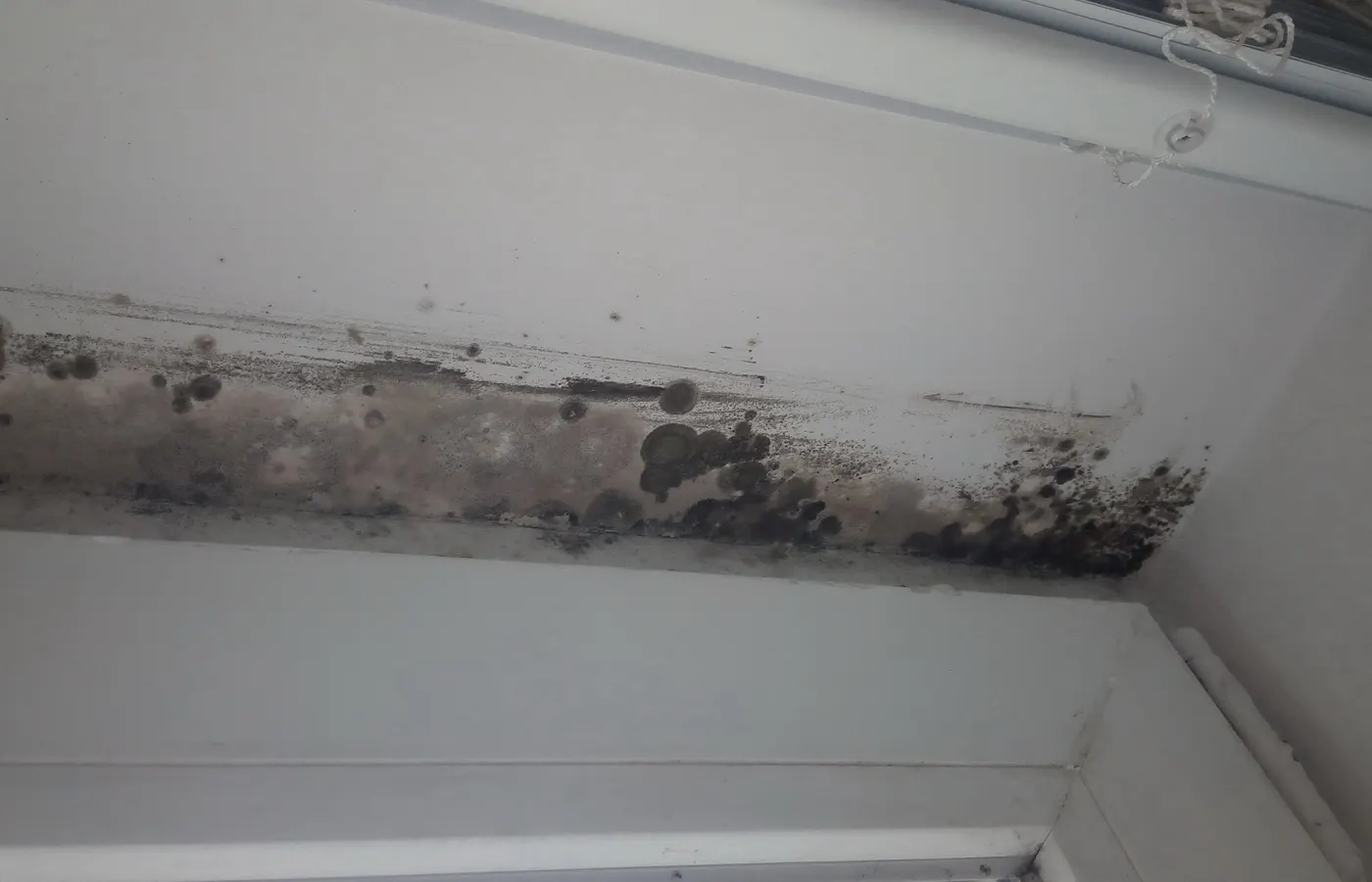

Dark-colored growth can look alarming, but color alone cannot tell you what species is present or what health effect it may cause. Treat visible indoor mold as a moisture problem that needs attention rather than trying to identify it by appearance.
Can you identify toxic black mold by sight?
No. Many kinds of mold can appear dark, and appearance cannot reliably identify a species. The phrase “toxic black mold” is often used online as if every dark patch were one specific mold, but visual inspection cannot establish that.
The presence of mold does not by itself predict whether someone will have symptoms. The CDC notes that damp and moldy environments may affect people differently; some people experience symptoms while others do not.
What to do if you find dark mold growth
Avoid scraping, sanding, or disturbing a large or hidden area. Look for the moisture source, such as a leak, condensation, or flood, and document the condition from a safe distance. If the area is extensive, keeps returning, is inside a wall or HVAC system, or followed significant water damage, get advice from a qualified remediation professional.
Do not rely on bleach, paint, or a home test kit as a complete solution. The important steps are to address the source of moisture and clean or remove affected materials using an approach suited to the situation.
When health questions should go to a clinician
People can respond differently to damp indoor environments. If you or someone in the building has symptoms or a health condition that may be affected, speak with a health professional. This guide is for general building information and does not diagnose mold exposure or give medical advice.
Common questions
Is all black mold toxic?
No. Color is not enough to identify a mold species or its health effects. Do not assume that every dark patch is Stachybotrys or that a visible color reveals the risk.
Should I test black mold before removing it?
Usually, identifying the species is not necessary before addressing visible mold and its moisture source. EPA says there are no federal mold-spore limits and notes that sampling can have limited value; consult an experienced professional if there is a specific reason to test.
Can I clean black mold myself?
That depends on the size, location, material, water source, and occupants' health concerns. EPA provides separate guidance for smaller cleanup situations and recommends professional help in circumstances such as extensive damage, suspected HVAC contamination, or health concerns.