 Free Mold Help
Rooms & materials · 5 min read
Bathroom Mold: Causes, Prevention, and When to Get Help
Learn why bathroom mold appears, how to reduce persistent moisture, where to look for hidden leaks, and when recurring growth needs professional attention.
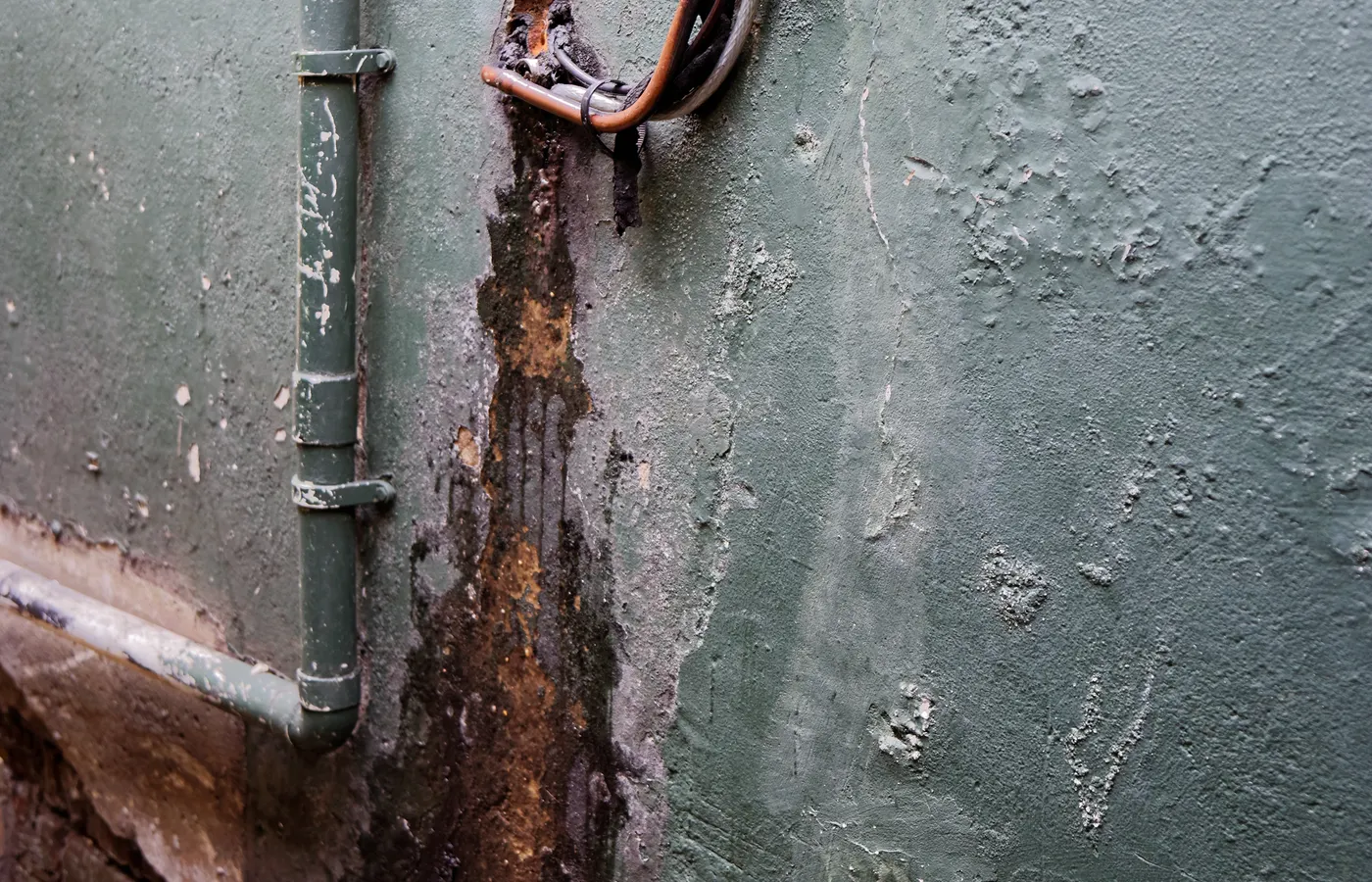

Bathrooms generate moisture every day. Mold on a shower surface may point to poor drying or ventilation, while recurring growth on a ceiling, wall, or cabinet can also signal a leak or moisture trapped behind the finish.
Why mold keeps coming back in bathrooms
Warm showers release water vapor. If damp air remains in the room or condensation repeatedly wets surfaces, mold can grow on dust, caulk, grout, painted surfaces, and other materials. A fan that is undersized, blocked, or not vented outdoors may not remove enough moisture.
Growth returning in the same place after cleaning deserves a closer look. Check for cracked grout or caulk, plumbing leaks, wet insulation, a roof leak above the room, or condensation on cold surfaces.
Reduce moisture after bathing
Use a properly vented exhaust fan during bathing and long enough afterward to clear humid air. If there is no working exhaust fan, consider having one installed or repaired. Wipe standing water from surfaces and repair drips or leaks promptly.
Routine cleaning can help keep ordinary bathroom surfaces free of buildup, but repeated mold growth may require repair or a more complete assessment. Avoid mixing cleaning products, and follow product labels.
- Check that the exhaust fan works and vents outdoors.
- Repair leaking fixtures, supply lines, and drains.
- Dry persistently wet surfaces and keep stored items from blocking airflow.
- Look at the room adjoining the shower or tub for dampness or staining.
When bathroom mold may need professional assessment
Get qualified help when growth is extensive, appears behind or under finishes, follows a plumbing leak, damages building materials, or returns despite moisture-control steps. If a bathroom is in a rental or shared building, notify the owner or manager in writing and keep dated photos.
Common questions
Why is there mold on my bathroom ceiling?
Persistent humidity, condensation, poor ventilation, or a roof or plumbing leak can contribute. A ceiling stain or recurring growth should not automatically be treated as a surface-cleaning problem; check whether the material is damp and investigate the source.
Will an exhaust fan prevent all bathroom mold?
A working fan that vents outdoors can help remove moisture, but it cannot fix leaks, wet materials, or other building problems. The room still needs a functioning fan, prompt repairs, and enough time for surfaces to dry.