 Free Mold Help
Rooms & materials · 5 min read
Basement Mold: Find the Moisture Before Cleaning
Learn common causes of basement mold, how to look for leaks and water intrusion, and when basement mold remediation should be handled by a professional.
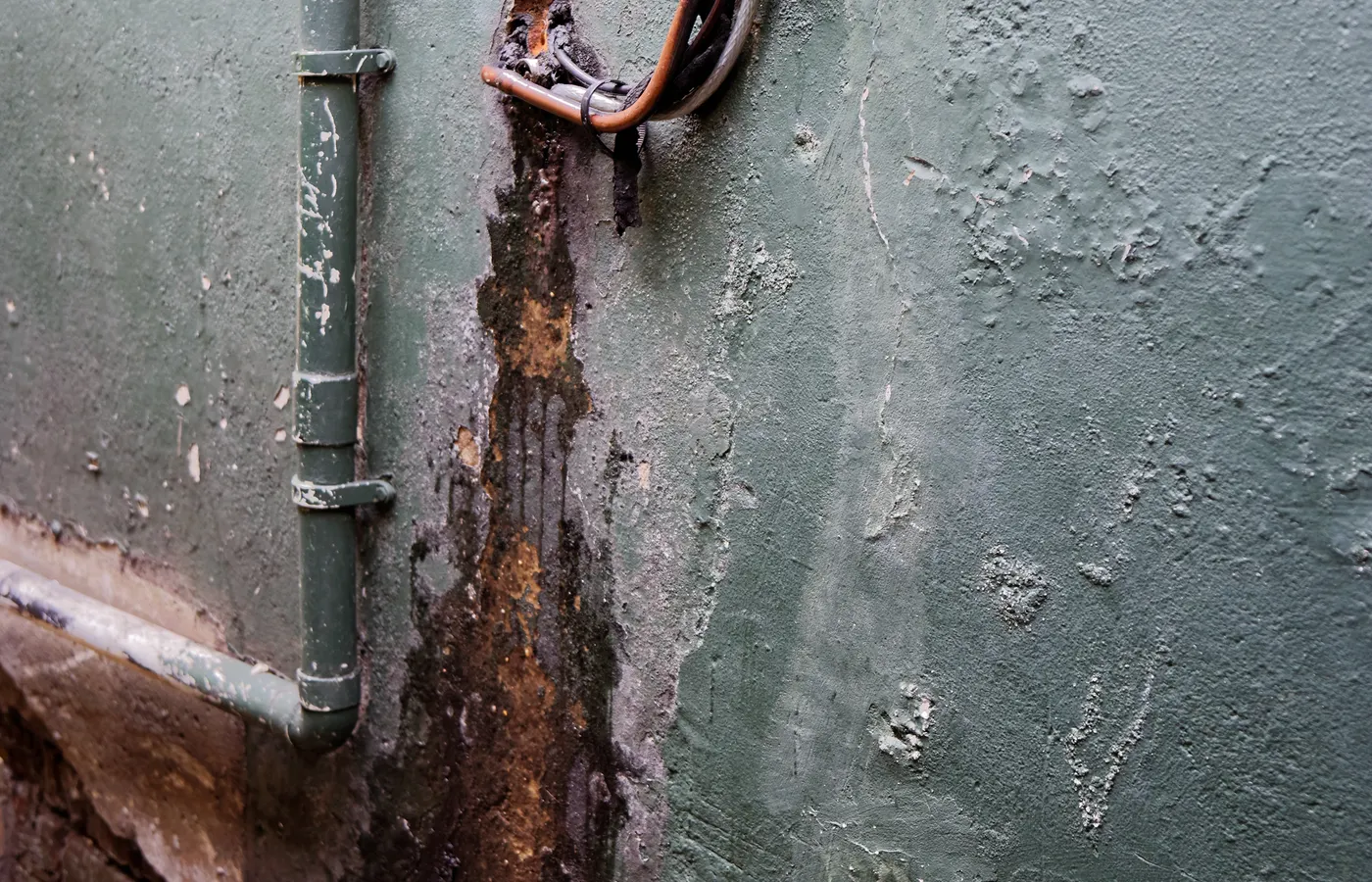

Basements often stay cooler and can collect moisture from seepage, plumbing leaks, condensation, or humid air. Cleaning visible mold without finding why the basement is damp may only lead to another cleanup.
Where basement moisture can come from
Check for water at the foundation, damp stored items, plumbing leaks, a failed sump pump, clogged gutters, downspouts that discharge near the building, or condensation on pipes and cold surfaces. Water can also enter through a window well or from an appliance drain.
A musty odor, peeling paint, staining, or repeated dampness can indicate a moisture problem even when no large patch of mold is visible. Do not open walls or disturb suspicious material if doing so may spread dust or expose a hazard.
Reduce basement dampness
Repair leaks and drainage problems first. Keep gutters and downspouts clear and direct roof runoff away from the foundation where practical. Use a dehumidifier when appropriate and empty or drain it safely; it will not solve water intrusion or a leaking pipe.
Avoid storing cardboard, clothing, or other absorbent belongings directly on a damp basement floor. If water has entered, dry affected materials promptly and determine whether concealed framing, insulation, or flooring remains wet.
When to call a basement mold remediation company
Professional assessment is appropriate for extensive growth, recurring water intrusion, wet or moldy materials behind finished walls, crawl-space concerns, sewage or floodwater, or an affected HVAC system. Ask the contractor to explain how the moisture source will be corrected and how the area will be cleaned and dried before rebuilding.
Common questions
Does a dehumidifier fix basement mold?
A dehumidifier may reduce humidity, but it does not repair plumbing leaks, foundation seepage, or wet building materials. Address the source of water and clean or remove affected materials as appropriate.
Can mold grow behind basement drywall?
Yes. A wall can conceal wet insulation or framing after a leak or seepage. Persistent musty odor, staining, soft drywall, or recurring growth can warrant a qualified moisture assessment.